
Organizations rarely struggle because capable people suddenly become less capable.
More often, complexity increases faster than the structures, relationships, and ways of working designed to hold it.
Decision rights blur. Information stops moving cleanly. Authority concentrates in a few people, while functions narrow around their own priorities. Work that once moved through relationships now requires escalation, caution, and permission. What goes unspoken starts quietly shaping what gets done.
The strategy may still be sound, but the system around it is no longer keeping pace.

Human capacity shapes organizations. Organizations shape human capacity.
ELEVI works with both.
How people lead cannot be separated from the conditions under which they lead.
Many leaders want more clarity, autonomy, and authority. But if decisions remain concentrated, roles are ambiguous, or relationships make candor costly, individual development alone won’t close that gap.
The reverse is also true. Changing structures without attending to the people operating within them rarely creates durable change.
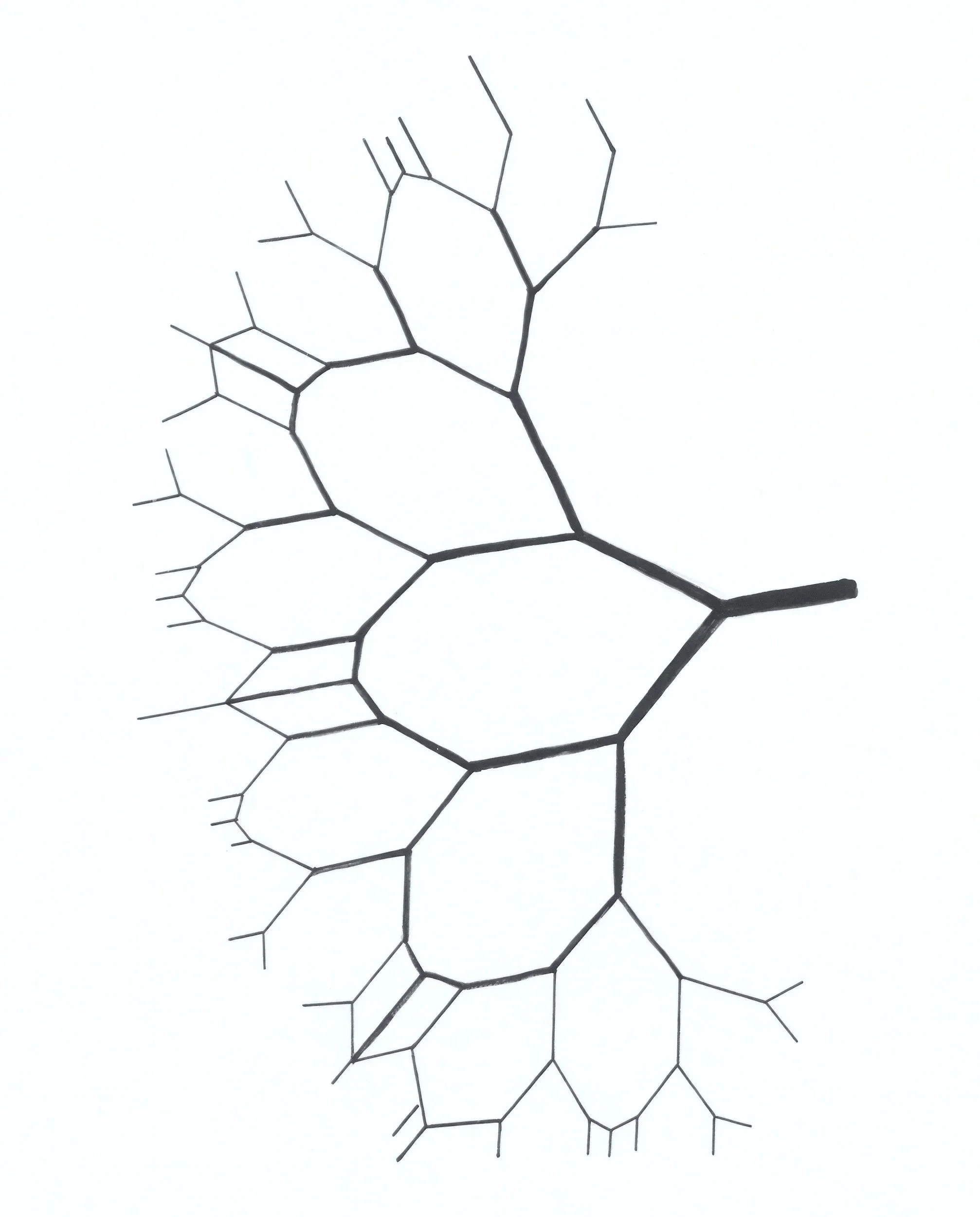
ELEVI works at the intersection of the two:
strengthening human capacity while examining the structures, relationships, and operating patterns that either support or constrain it.
The aim is a way of working that makes more room for coherence, authority, and humanity.
What becomes visible
Much of what limits an organization is not hidden. It has simply become a normal operating rhythm.
Who gets pulled into every decision.
Where accountability exceeds authority.
What information slows as it moves.
When urgency displaces the work the organization says matters most.
These patterns accumulate quietly.
Over time, they shape execution, trust, judgment, candor, adaptability, and the level of complexity the organization can hold without unsustainable strain on the people carrying it.
Ways of working together
ELEVI engagements are designed around the conditions the organization is navigating in real-time rather than a predetermined framework.
The work may sit with one executive, an executive team, or the larger operating system around them. It can address a contained decision, a consequential challenge, a significant transition, or a longer period of organizational complexity.
The Working Session
A focused 90-minute engagement for a consequential decision, a difficult stakeholder dynamic, or a contained issue that would benefit from a clear perspective before action.
The session is designed to stand on its own: clarify what is happening, identify what matters most, and establish a clearer path forward.
Executive Advisory Sprint
A 90-day engagement around one consequential organizational challenge that requires sustained focus.
The Sprint uses the immediate hurdle as an entry point into the larger pattern that sustains it, distinguishing what is structural, relational, and human, and concentrating attention where change can create the greatest leverage.
Executive Integration Advisory
Support for leaders stepping into expanded authority, navigating significant transition, or carrying responsibility through growth, succession, or M&A.
The work focuses on the person and the system together: how authority is being inhabited, how relationships are changing, what the new context requires, and where integration is beginning to strain.
In M&A, that may include helping leaders see the "third culture" forming as structures, expectations, decision patterns, and ways of working come into contact, while shaping the conditions for a new operating reality to emerge.
Executive Advisor in Residence (EAIR)
Embedded senior-level advisory for organizations navigating sustained complexity, transition, or growth.
The work combines individual executive partnership, pattern recognition across the leadership system, team engagement, and support around consequential decisions as they unfold.
Working across the system over time creates a different kind of visibility: recurring patterns can be recognized across decisions, relationships, and operating conditions, allowing the organization to work with them more deliberately.
What becomes possible
The goal is not to remove all tension, uncertainty, or complexity.
It is to build organizations in which people can meet those realities and remain full-sized inside them.
In these spaces, authority is clear enough that decisions do not collapse upward by default. Relationships can hold candor, disagreement, and shared responsibility without eroding trust. Differing perspectives sharpen judgment. And adaptation draws on what people across the system perceive and know, instead of concentrating responsibility in fewer and fewer hands.