
Across more than two decades of work with leaders and organizations, a consistent pattern became impossible to ignore.
Highly capable leaders could think with precision while overriding what their bodies were telling them. They could understand a relational pattern and still repeat it under pressure. They could know what mattered and still act against that knowing when the stakes rose. Overriding it was often easier than examining why.
Organizations revealed the same problem on a different scale. A clear strategy could coexist with concentrated decision rights. Critical information could move unevenly through the system or stall before it reached the people who needed it. Relationships between functions could make coordinated action harder than the strategy itself.
Those conditions do more than slow execution. They shape what people can perceive, contribute, question, and carry.
The issue was not a lack of intelligence. It was what happened when different forms of intelligence operated separately or became hard to access when they were needed most.

What We Came to Understand: Awareness is not capacity
Understanding something does not automatically change what becomes possible in the moment.
Human intelligence is not purely cognitive.
It is embodied, emotional, relational, perceptual, strategic, and shaped continuously by the environments and systems we live inside.
When these capacities operate separately, people compensate.
Organizations do too.
When they become more integrated, judgment holds more reliably under pressure.
Relationships become clearer. Decision-making becomes simpler.
More of the system can work as one.
Integration is not the addition of more skills; it changes how our innate capacities work with one another, so more of them are available under pressure.
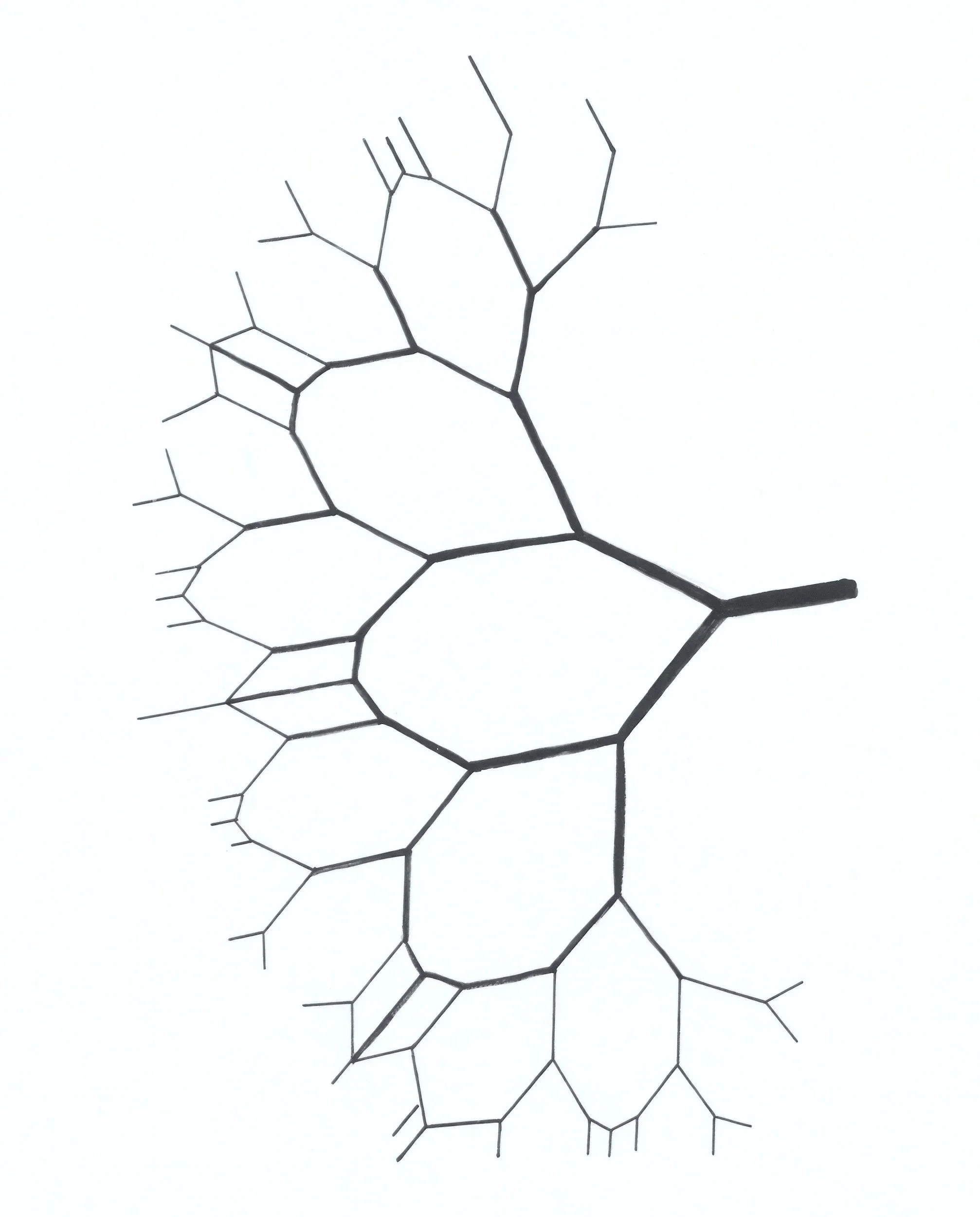
Human capacity shapes organizations. Organizations shape human capacity.
Why ELEVI Exists
ELEVI works across three interconnected scales: Individual, Organizational, and Cultural.
With individuals, the work develops access to human capacity and the ability to draw on it when it matters.
Inside organizations, the focus widens. Structures, relationships, and ways of working shape what people can bring forward.
Cultural work widens it again.
Modern life has created extraordinary technological, economic, and organizational capability. Yet many of the systems we rely on still separate what depends on each other: work from life, health from food, human activity from the natural systems that sustain it.
ELEVI does not claim to have resolved how to reconnect them. We believe the question is worth taking seriously.
Different scales of the same inquiry, each shaping and being shaped by the others.

The Work Behind the Institute
ELEVI was founded by Elizabeth Raynor, after working with senior leaders, founders, executive teams, and organizations navigating complexity and change for over two decades.
Across hundreds of engagements, what began as pattern recognition became a more precise body of work.
The Integrated Intelligence framework grew from those observations: a way of understanding multiple dimensions of human intelligence as one coordinated system. The Integrated Intelligence Method™ followed as a way to develop that integration in practice.
The work continues to evolve as it moves across individuals, organizations, and the larger systems around them.